enerIA
The Evolution of Rail Transport in Spain
For over two centuries, trains have been a symbol of progress in Spain, evolving with changing demands. Today, the rail sector faces shifts due to market liberalization and competition from Ouigo and Iryo. This has led to fare reductions by up to 40%, challenging Renfe to innovate with low-cost options like AVLO. Modernizing infrastructure and adopting greener technologies are essential, requiring significant investment.
Spain’s rail transport is at a crossroads, where competition, modernization, and innovation will shape its future as a sustainable 21st-century option. User experience is now central, with accessibility remaining a concern.
Transforming Rail Passenger Experience
💡 Challenge: Enhance rail transport experience, ensuring accessibility, efficiency, and user-friendliness for all passengers.
💼 Methodology: Design Thinking.
🛠 Tools: FigJam | Google Forms | Shadowing | Train Travel experimentation.
Framework — Double Diamond Methodology
This involves two phases: problem exploration and solution development. We identified key challenges such as accessibility, service personalization, and sustainability, then developed innovative solutions to improve the passenger experience.
Insights from Desk Research & Netnography
Web and App Usability Challenges
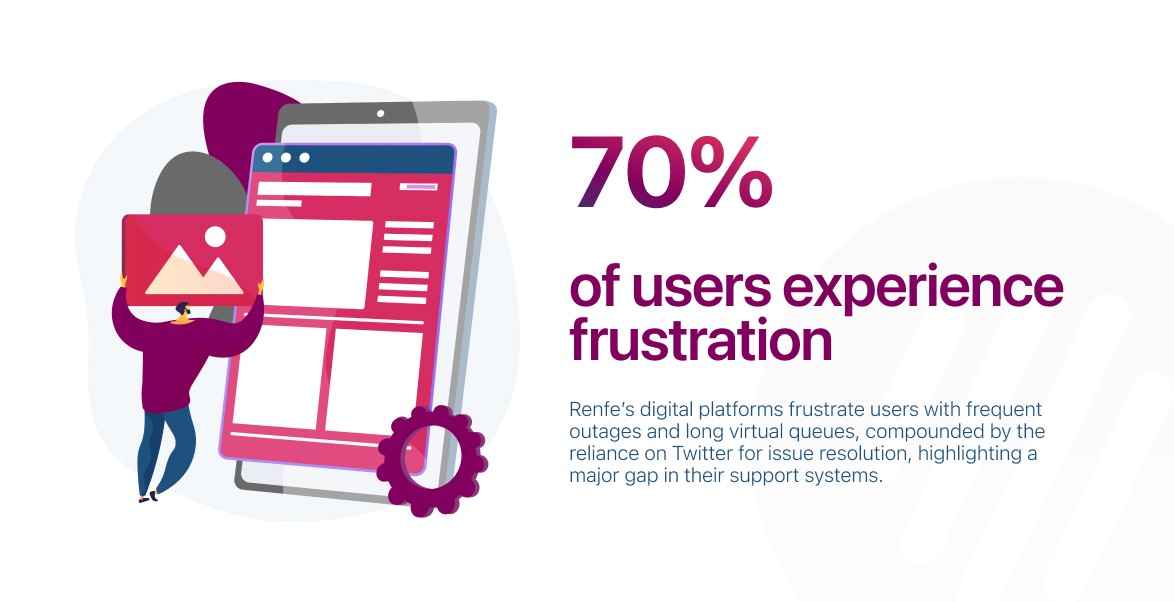
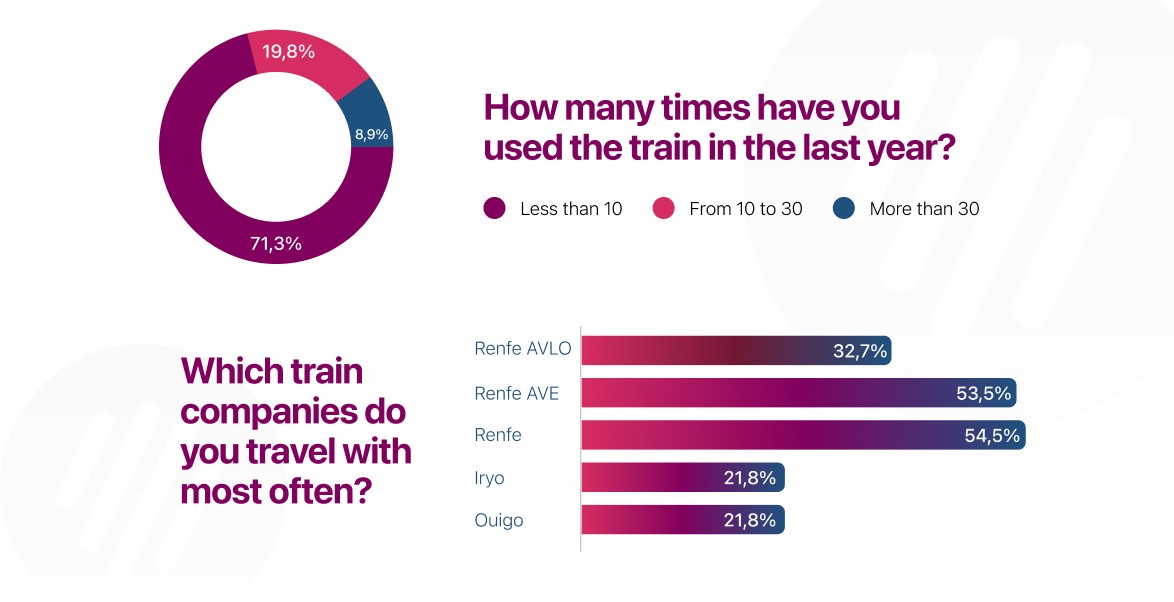
Our research revealed that Renfe’s digital platforms have frequent outages and usability issues. Users often rely on Twitter for support, highlighting the inadequacy of current systems. Virtual queues for ticket purchases frustrate users, with wait times exceeding 30 minutes.
Survey Insights on Renfe’s Services
Our survey of 100 Renfe users showed that 75% rated the website and app usability as poor. Long wait times and frequent crashes were major pain points. Additionally, 68% struggled with real-time travel information, while 80% felt on-board cleanliness needed improvement.
User Interviews Summary
7/7 find information easily but use different sites.
5/7 purchase tickets via Renfe; 2/7 report app issues.
3/7 think tickets are expensive.
7/7 rate onboard entertainment as poor.
Competitors Review
We analyzed key train operators (Deutsche Bahn, SNCF, JR Group, etc.). JR Group excels in punctuality, cleanliness, and comfort. RENFE and OUIGO, however, face criticism for delays and cleanliness.
Challenge Overview
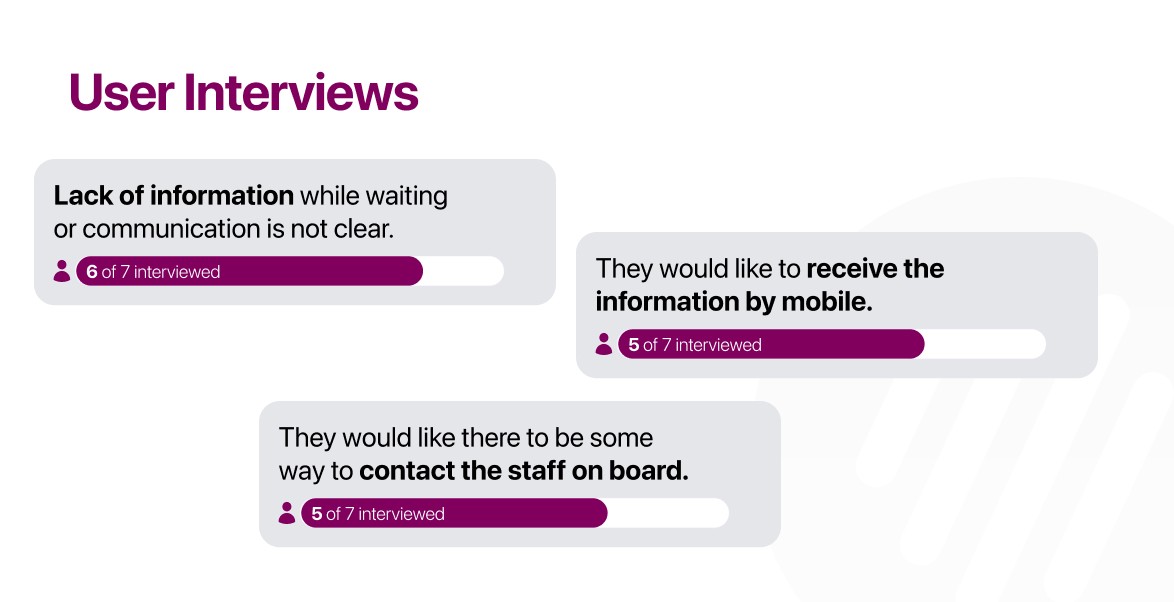
Train passengers experience frustration due to lack of clear and timely information during their journey. To improve this, we must deliver real-time updates through accessible channels (app, website, notifications). Clear communication about incidents will enable passengers to make informed decisions and reduce frustration.
Competitors Review
We developed two user personas:
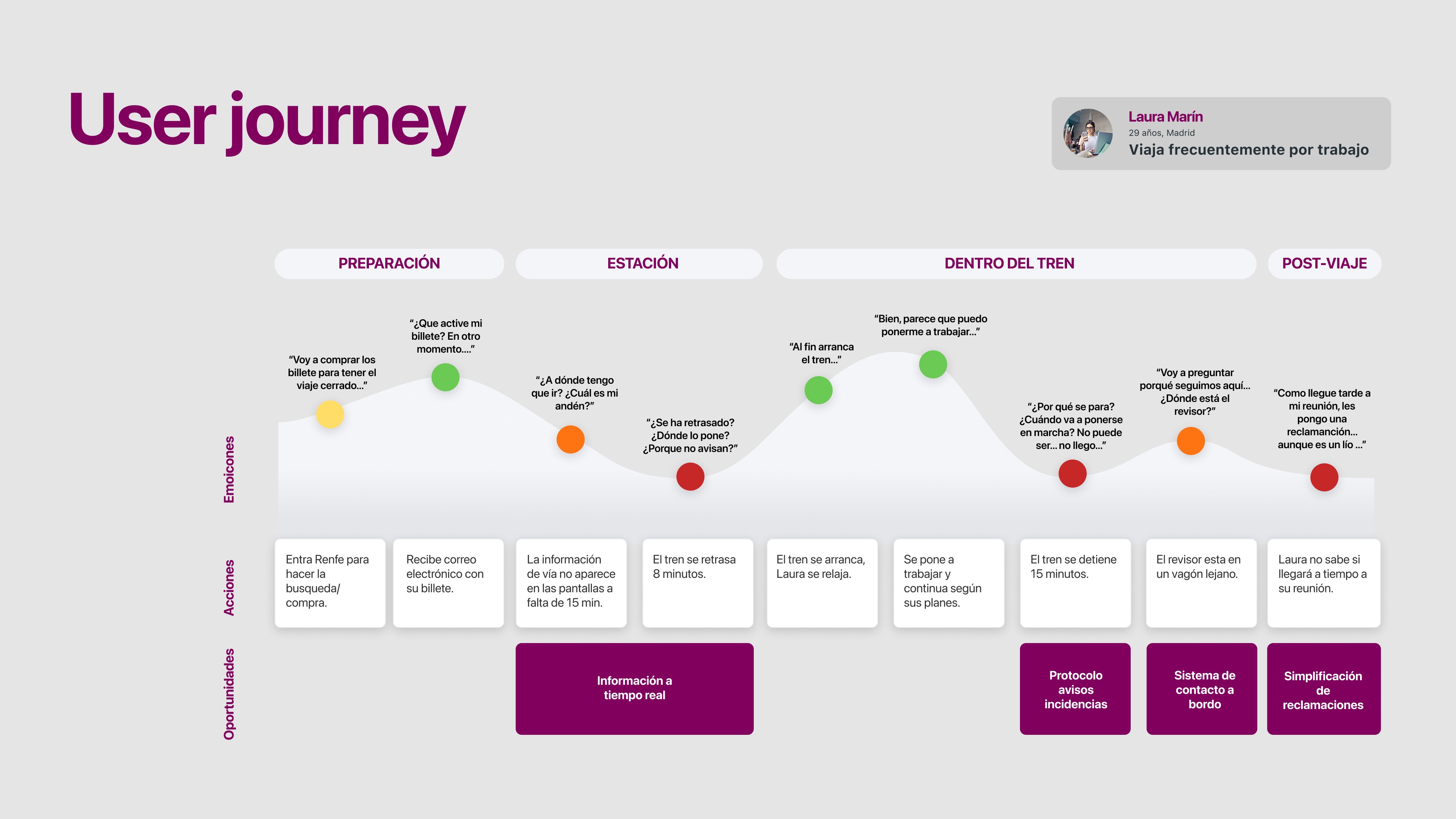
Laura Marin: A frequent business traveler who values efficiency and real-time updates.
Manuel Rodríguez: A regular traveler who prioritizes accessibility and clear communication.
User Journey
Our user purchases a ticket on the Renfe website and faces uncertainty at the station due to lack of platform information. The train is delayed, causing anxiety about their next appointment.
Ideation Process
We identified the need to:
Simplify the claims process.
Provide real-time updates via the app.
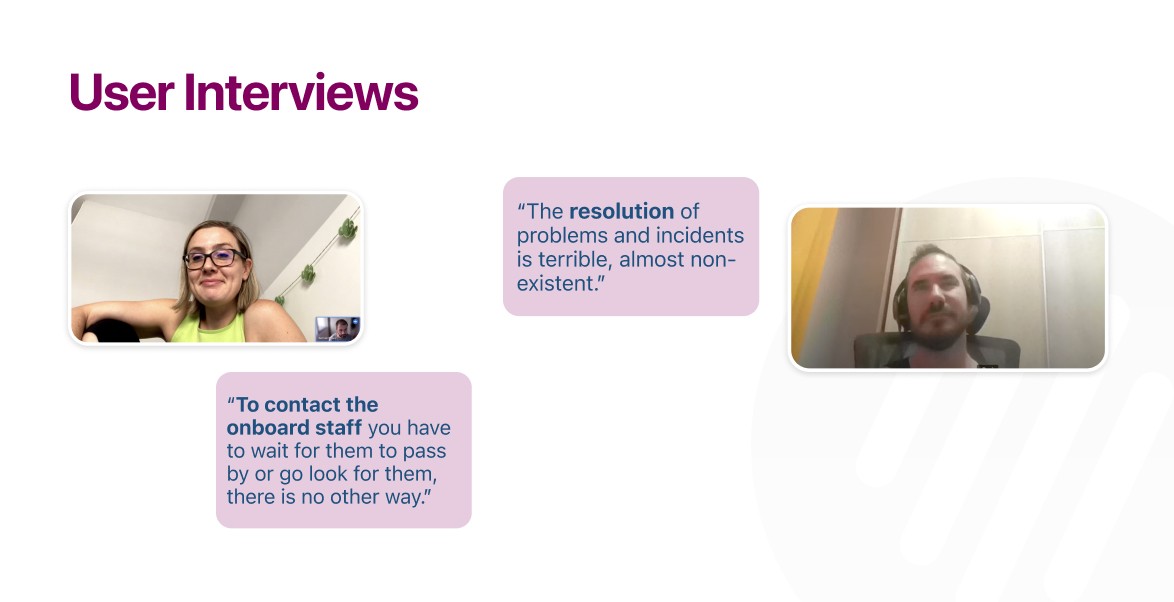
Enable passengers to request assistance or contact staff.
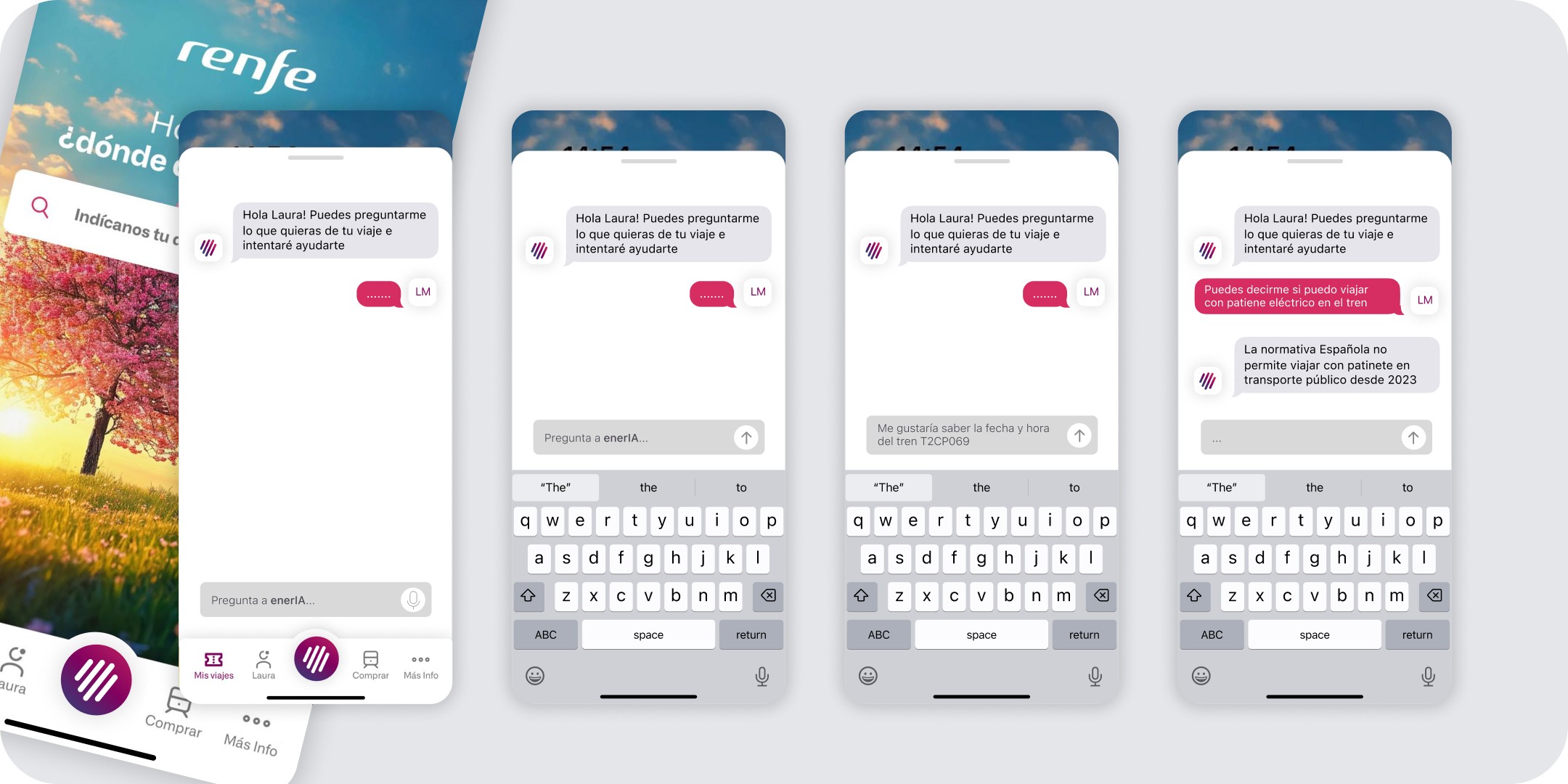
Introducing enerIA: Your Smart Travel Companion
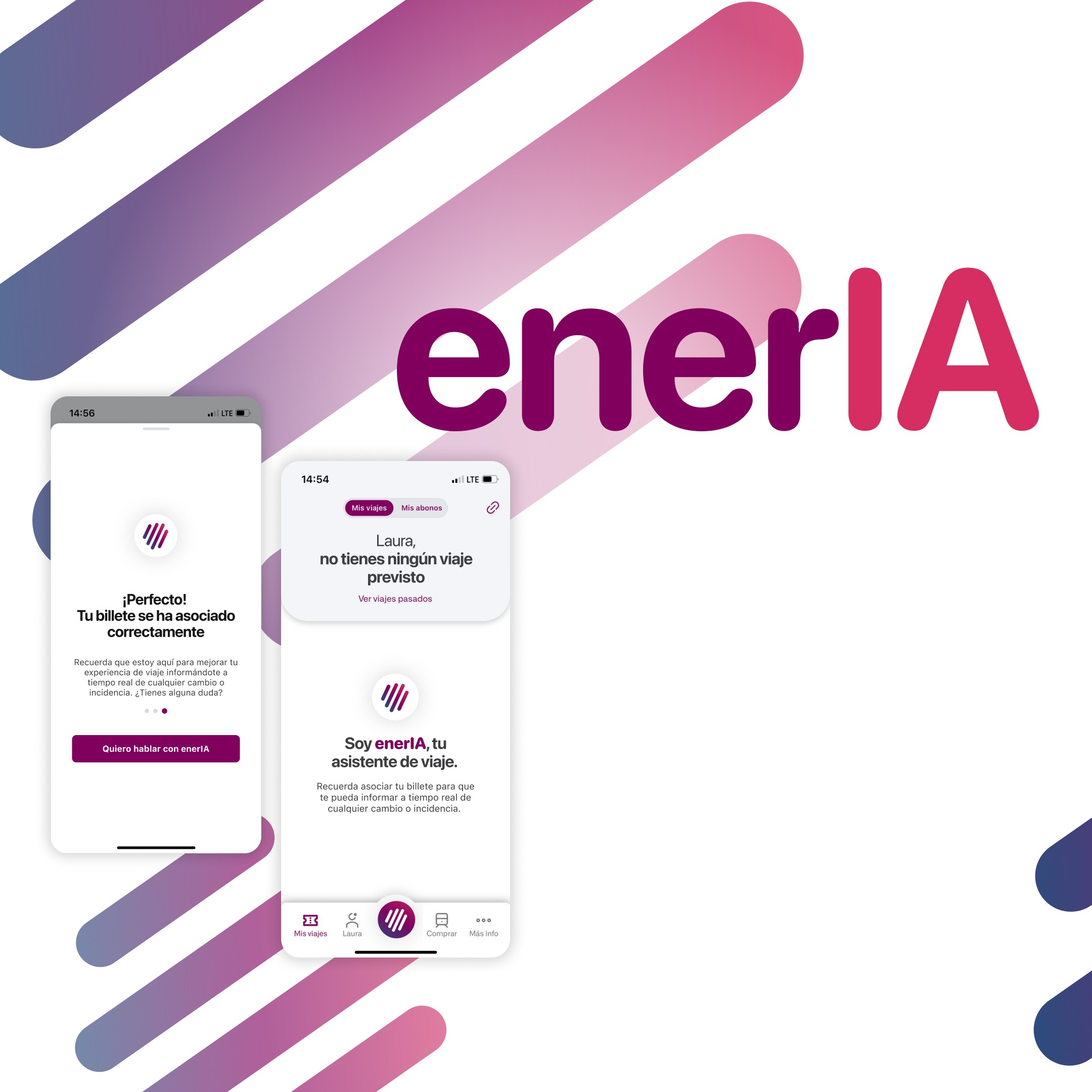
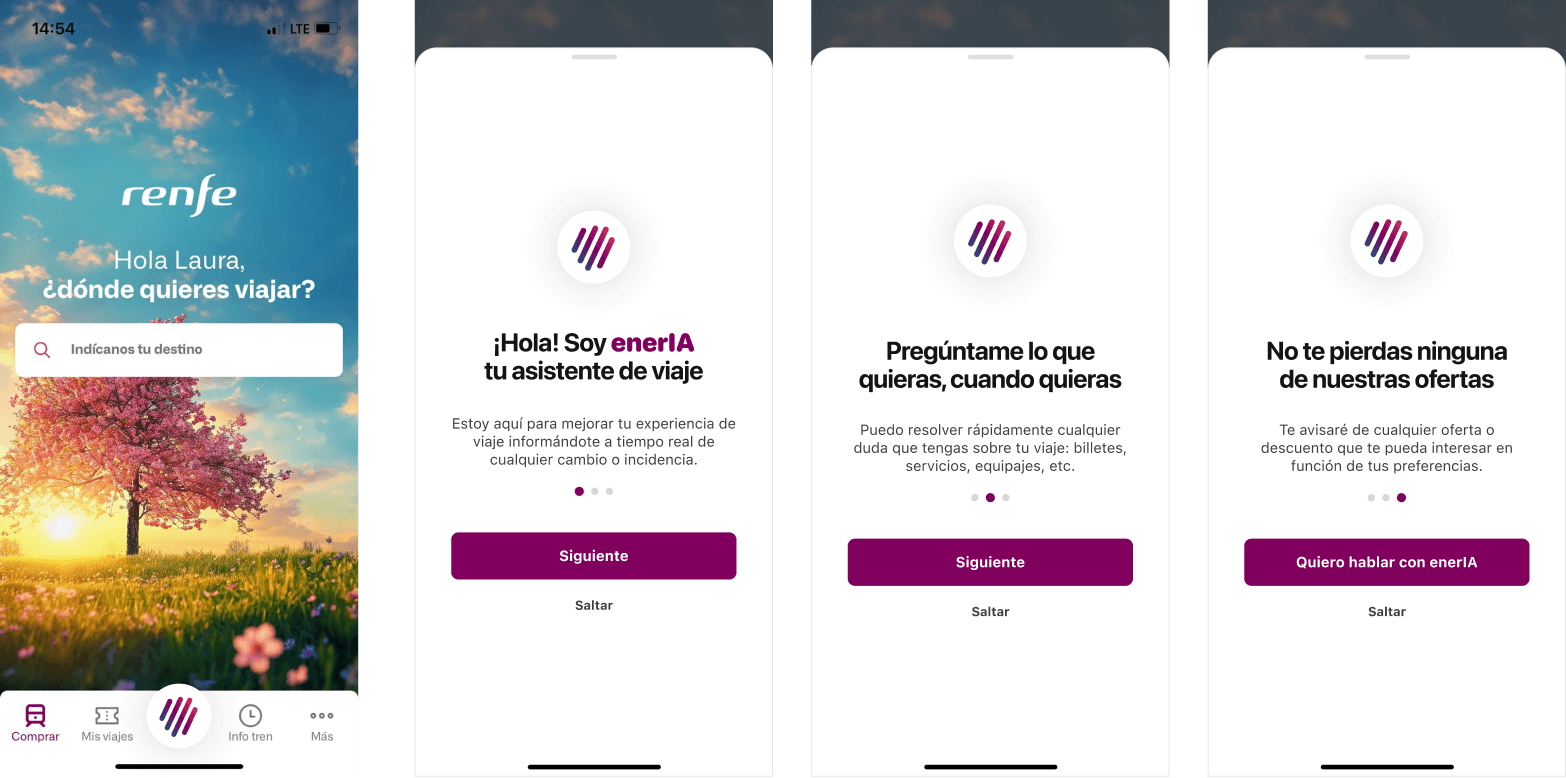
enerIA is an AI-powered assistant integrated into the RENFE app. It delivers real-time notifications and offers personalized information based on your travel history.
Real-Time Updates: Stay informed about disruptions.
AI Assistant: Get answers to service conditions and assistance.
Resources: What Do We Need?
To bring enerIA to life, we require:
Conversational AI technology.
Development and implementation teams for integration.
Conclusion & Future Vision
With enerIA, we are paving the way for a more connected and responsive travel experience, enhancing customer satisfaction while reducing operational costs. The potential for expansion into new services sets a new standard for intelligent travel solutions.